

Author: Zhu Weisha
November 15, 2025
Recently, a friend asked me, "Why hasn't the price of Bitcoin risen?" Behind this question lies a common confusion and anxiety in the market. I believe it's necessary to compile my analysis of this issue for more people to reference.
The failure of Bitcoin's price to rise is the result of multiple factors working in concert.
1. The AI Frenzy Diverts Market Capital
In an article I published in March 2024 titled "Buy Bitcoin or Buy Nvidia?", I suggested that AI had not yet reached its market tipping point and that Nvidia's valuation might struggle to surpass $3 trillion. However, subsequent developments in AI technology far exceeded expectations, with Nvidia's stock price climbing steadily and becoming a focal point for capital markets.
Capital naturally chases hotspots. AI not only possesses a powerful narrative but is also accompanied by massive computing power orders and strategic moves by industry giants, triggering a "herd effect." Market capital is finite. With a flood of speculative funds pouring into the AI sector, purchasing power for Bitcoin is naturally weakened. In contrast, Bitcoin lacks a "new story," making it less attractive to short-term speculators.
2. Regulatory Events Raise Security Concerns
US law enforcement seized $15 billion worth of Bitcoin linked to criminal proceeds from Chen Zhi but did not disclose the operational details. This event sparked market concerns about the privacy and security of Bitcoin.
The recent price surge of privacy coins like Zcash also reflects the market's pursuit of enhanced privacy features. However, while coins like Zcash offer privacy options, their dual-address system fundamentally differs from Bitcoin's philosophy of a transparent ledger. Satoshi Nakamoto once expressed being "disappointed with crypto-anarchy," indicating a preference for finding a balance between transparency and privacy.
Transparency is the cornerstone of Bitcoin's credibility. Future solutions, like a "chainless system" which can meet both regulatory requirements and user privacy needs, might be more aligned with market development directions.
3. Historic Liquidation Erodes Market Confidence
On October 11, 2025, the cryptocurrency market experienced its largest-ever liquidation event. According to CoinGlass data, nearly $19.4 billion was liquidated within 24 hours, affecting over 1.6 million trades, the majority of which were long positions.
This mass liquidation not only severely damaged market confidence but also led to significant Bitcoin sell-offs to cover losses, further accelerating the downward trend. The profitable parties were the shorts, who are unlikely to remain bullish on Bitcoin and will instead seek new hotspots, such as privacy coins. After such a shock, the market needs time to recover, making a short-term price surge difficult.
4. Four-Year Cycle Psychology Influences Market Expectations
Bitcoin's third halving marked the fourth cycle. The price started rising from October 2020, went through a double top over 18 months, and then entered a bear market—meaning the bull market cycle lasted 18 months. Bitcoin started rising again from October 2023 (still considered part of the fourth cycle). It has now been in a bull market cycle for over two years, exceeding the duration of the fourth cycle's bull market. Furthermore, a double top has not appeared. Referring to the data from the fourth cycle, it might be about four months away from entering a bear market. See Figure 1 below: the part after the second peak in the fourth cycle, downward from the red circle after the second line, suggests about four cycles until a bear market. Although the energy area of the two cycles is completely different, the psychological shadow remains. The second red point marks the starting rise position for the fifth cycle.
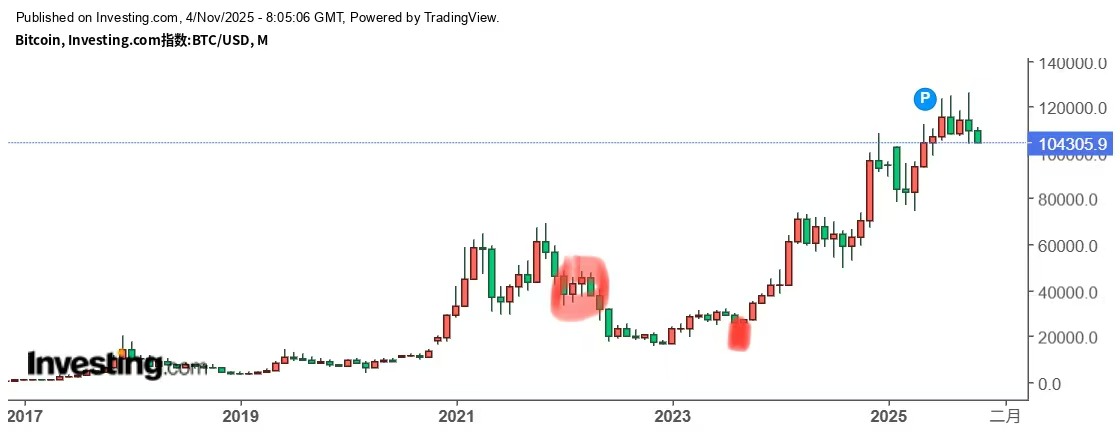
Figure 1 The Psychological Shadow Cast by Historical Changes
If everyone thinks this way, then the result will inevitably be a bear market. Psychological influence determines people's reluctance to act.
This consensus expectation itself suppresses buying interest, becoming a self-fulfilling prophecy.
5. Gold Remains the Safe-Haven Choice, Bitcoin Lacks State Backing
Gold's rise is partly because some central banks are backing it with real purchases. And Bitcoin? It still lingers on the fringes of the mainstream financial system.
The US appears particularly short-sighted on this point. The so-called "Crypto Czar" probably doesn't even understand the first half of Bitcoin's playbook, focusing only on stablecoins. He fails to grasp that Bitcoin is the strategic high ground in the future of monetary competition. If the US continues to sleepwalk, failing to sell gold and substantively form a Bitcoin strategic reserve, and allows a gold alliance to form an encirclement, what will be lost is not just Bitcoin, but America's own financial future.
6. Quantum Computing Threats Spark Technical Concerns
Discussions about "quantum attacks posing a threat to the Bitcoin system" have increased recently. Although most people have limited understanding of this, it still induces a wait-and-see attitude. Furthermore, issues like mining power concentration, a reduction in core developers, and token holders' lack of governance rights expose a deeper crisis for Bitcoin: a community led by tech geeks is becoming disconnected from the real world of finance,politics, and public sentiment.
7. Bitcoin Lacks a New Narrative and Leadership
While the problems mentioned above are solvable, a lack of progress will continue to limit Bitcoin's price appreciation. Currently, most opinion leaders in the cryptocurrency space are technical experts, lacking financial and strategic vision. Satoshi Nakamoto's absence might have been an advantage in the early stages, but it has now become a source of uncertainty.
I once suggested that Hong Kong recruit Changpeng Zhao, but he was ultimately absorbed by the US. To lead the monetary future, it is essential to secure the influence of Satoshi Nakamoto—this is the key to determining whether Bitcoin can break through its predicament and lead the transformation of fiat currency.
Conclusion
The stagnation of Bitcoin's price results from a complex interplay of technical, market, psychological, policy, and narrative factors. Only through breakthroughs in governance, narrative, and strategy can Bitcoin truly usher in its next major surge.

所有评论