

As blockchain technology continues to evolve, the integration of Real-World Assets (RWA) and Non-Fungible Tokens (NFTs) is becoming a compelling topic in both financial and cultural domains. RWA encompasses two main categories: financial instruments (such as bonds, real estate, and stocks) and cultural items (such as baseball cards, and Pokémon cards). This integration not only changes the liquidity of assets but also creates new investment and collection opportunities. This article explores what RWA means for NFTs and analyzes the potential impact of this trend.
Real-World Assets (RWA) refer to actual assets that exist in the physical world, including financial instruments like bonds, real estate, and stocks, as well as cultural items such as collectible cards. Through blockchain technology, these assets can be tokenized to enhance their liquidity and market accessibility.
Non-Fungible Tokens (NFTs) are used to represent unique digital or physical assets. The uniqueness of NFTs makes them ideal for tokenizing assets with distinctive qualities, such as artworks and collectibles.
- Fragmented Investment: The tokenization of RWA allows high-value assets (such as real estate) to be divided into smaller tokens, enabling more investors to participate at lower costs. This approach provides new use cases for NFTs, significantly improving the liquidity and accessibility of high-value assets.
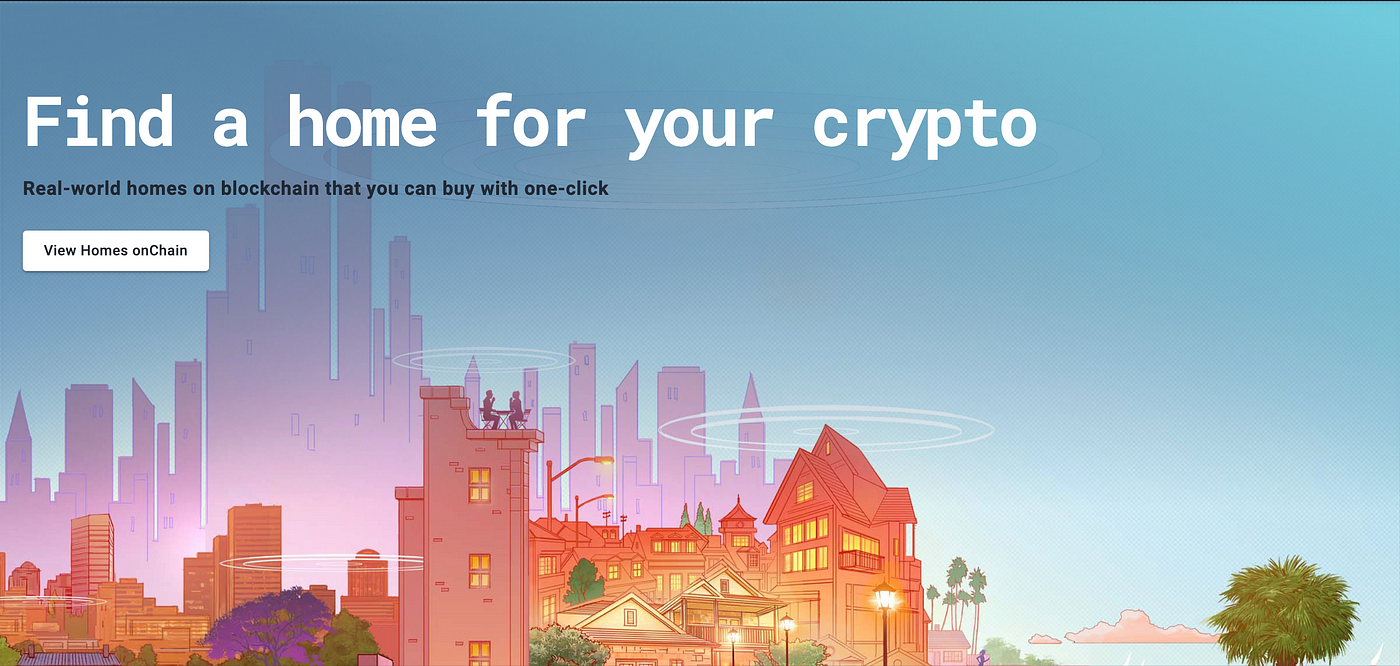
- Asset Liquidity: Traditional RWAs often suffer from liquidity issues. For example, the real estate market's liquidity is much lower than financial markets. By tokenizing these assets through NFTs, they can be traded on the blockchain, thereby enhancing their liquidity. For instance, Roofstock onChain has innovatively resold real estate through NFTs on OpenSea, bringing new possibilities to the real estate market.
Roofstock onChain
Roofstock onChain is an innovative platform that uses NFTs for real estate transactions. Users can purchase NFTs representing actual properties through platforms like OpenSea.
This approach not only simplifies the real estate transaction process but also enhances market liquidity. By tokenizing properties into NFTs, Roofstock onChain enables investors to participate in real estate investments with a lower entry barrier, and transactions can occur globally.
- Proof of Ownership: NFTs can accurately represent ownership of RWAs and record the asset’s transaction history. This method provides actual application value to NFTs while ensuring the asset’s uniqueness and authenticity.
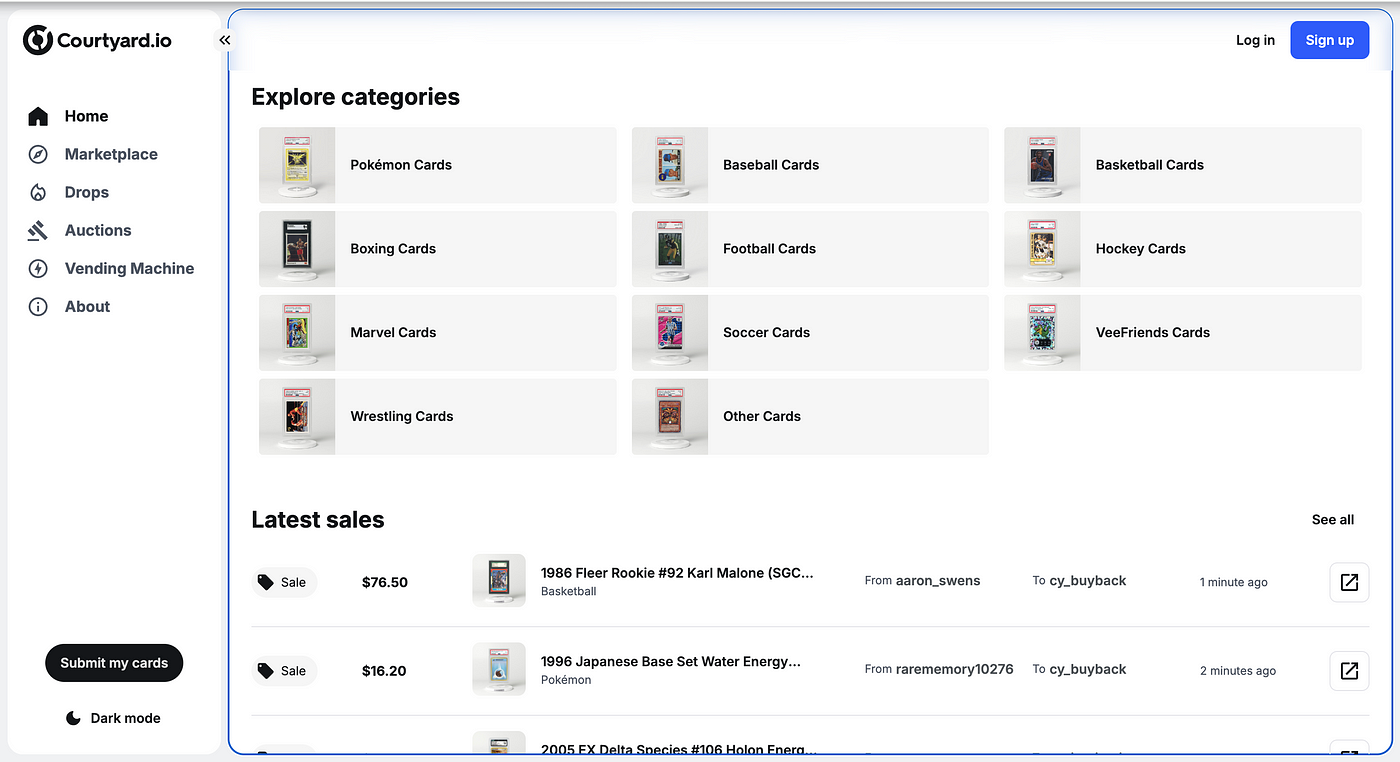
- Cultural and Financial Integration: The application of NFTs in cultural items (such as Pokémon cards) has made significant progress. For example, Courtyard.io allows users to tokenize and trade graded collectible cards secured and redeemable through Brink’s insurance.
Courtyard.io
Courtyard.io is a platform focused on tokenizing graded trading cards (such as Pokémon cards). Users can digitize their collectible cards through NFTs and trade them on the platform. These cards are stored and insured by Brink’s, ensuring the integrity and redeemability of the NFTs. The success of Courtyard.io highlights the potential applications of NFTs in the cultural sector.
- On-Chain and Off-Chain Data Bridging: NFTs, as digital representations of RWA, need to accurately reflect the value of off-chain assets. This requires efficient Oracle to transfer off-chain data to the blockchain and ensure its accuracy.
- Asset Valuation: Accurate valuation of difficult-to-quantify assets (such as artworks) remains a challenge. NFTs need to provide reliable assessment methods and data support to ensure the fairness of tokenized assets.
Compliance: Tokenized RWAs must adhere to national laws and regulations, including asset ownership, taxation, and transaction rules. Legal frameworks need to clearly address ownership and transfer issues for tokenized assets.
Data Privacy: Data privacy concerns for off-chain assets need to be addressed to ensure secure transmission of sensitive information between on-chain and off-chain systems.
- Diversified Investment: NFT tokenized RWAs offer investors more opportunities across various fields, such as real estate and artworks. This diversified investment approach could lead to the emergence of new markets and financial products.
- Global Market: NFT tokenized RWAs can break geographic barriers, allowing global investors to participate in asset investments across different regions.
- Emerging Financial Products: NFT tokenized RWAs could drive the creation of new financial products, such as asset-backed NFTs and synthetic assets, potentially altering the landscape of traditional financial markets.
- Cross-Chain Interoperability: Future innovations may include combining NFTs with ERC-6551 standards to embed other tokens within RWA NFTs or integrating RWA NFTs into blockchain-based game engines.
RWA offers new possibilities for investing and trading traditional assets, enhancing their liquidity and market efficiency. However, this process still faces various challenges related to technology, legality, and market dynamics.
As technology advances and legal frameworks evolve, integrating RWA and NFTs is expected to bring more innovation and transformation to the future financial markets. If this future materializes, NFTs will play a crucial role in paving the way for unprecedented possibilities on the blockchain.
NFTScan is the world’s largest NFT data infrastructure, including a professional NFT explorer and NFT developer platform, supporting the complete amount of NFT data for 20+ blockchains including Ethereum, Solana, BNBChain, Arbitrum, Optimism, and other major networks, providing NFT API for developers on various blockchains.
Official Links:
NFTScan: https://nftscan.com
Developer: https://developer.nftscan.com
Twitter: https://twitter.com/nftscan_com
Discord: https://discord.gg/nftscan

所有评论